Decoding Loyalty Sync Patterns Across Mobile Table Variants in Regulated Wallet Networks
Written by Greta Albrecht · Nov 13, 2026

Decoding Loyalty Sync Patterns Across Mobile Table Variants in Regulated Wallet Networks
Regulated wallet networks now handle loyalty data transfers between multiple mobile table game formats, including blackjack, baccarat, and poker variants, through standardized synchronization protocols that update player profiles in real time. These systems connect digital wallets directly to casino back-end servers, allowing points earned on one table type to appear instantly on another without manual intervention. Observers note that such patterns rely on encrypted API calls that maintain compliance with regional gaming statutes while preserving transaction integrity across devices.
Data from November 2026 indicates that wallet-linked mobile platforms processed over 12 million loyalty events daily in major North American jurisdictions, with synchronization delays averaging under 800 milliseconds according to reports filed with the Nevada Gaming Control Board. Those who've studied these networks find that table variants often share common data fields for bet size, session duration, and win-loss ratios, yet each game type applies unique multipliers that adjust point accrual rates automatically once the wallet confirms the transaction.
Core Synchronization Mechanisms
Wallet networks establish loyalty sync through a layered architecture where the digital wallet acts as the central ledger, while individual table clients pull and push updates via secure handshakes. Researchers discovered that protocols typically employ timestamped tokens to prevent duplicate entries when a player switches from mobile roulette to mobile blackjack within the same session. This approach reduces discrepancies that once appeared during peak traffic periods in 2025.
Take one developer team that integrated cross-variant sync for a Canadian operator; they mapped every table action to standardized loyalty events stored in the wallet, allowing seamless carryover of tier status and reward eligibility. The ball's in the network operator's court to ensure these mappings align with local rules, because any mismatch triggers automated compliance flags that halt further point accumulation until reviewed.
Variant-Specific Adjustments
Mobile table variants differ in how they feed loyalty data into the shared wallet ecosystem. Blackjack sessions record per-hand decisions and side-bet activity, whereas poker variants log hand rankings and pot contributions separately, yet both formats route their outputs through the same wallet endpoint for unified tier progression. Studies found that operators apply distinct weighting coefficients so that high-volatility games like ultimate Texas hold'em contribute points at a different rate than lower-volatility options such as European roulette.
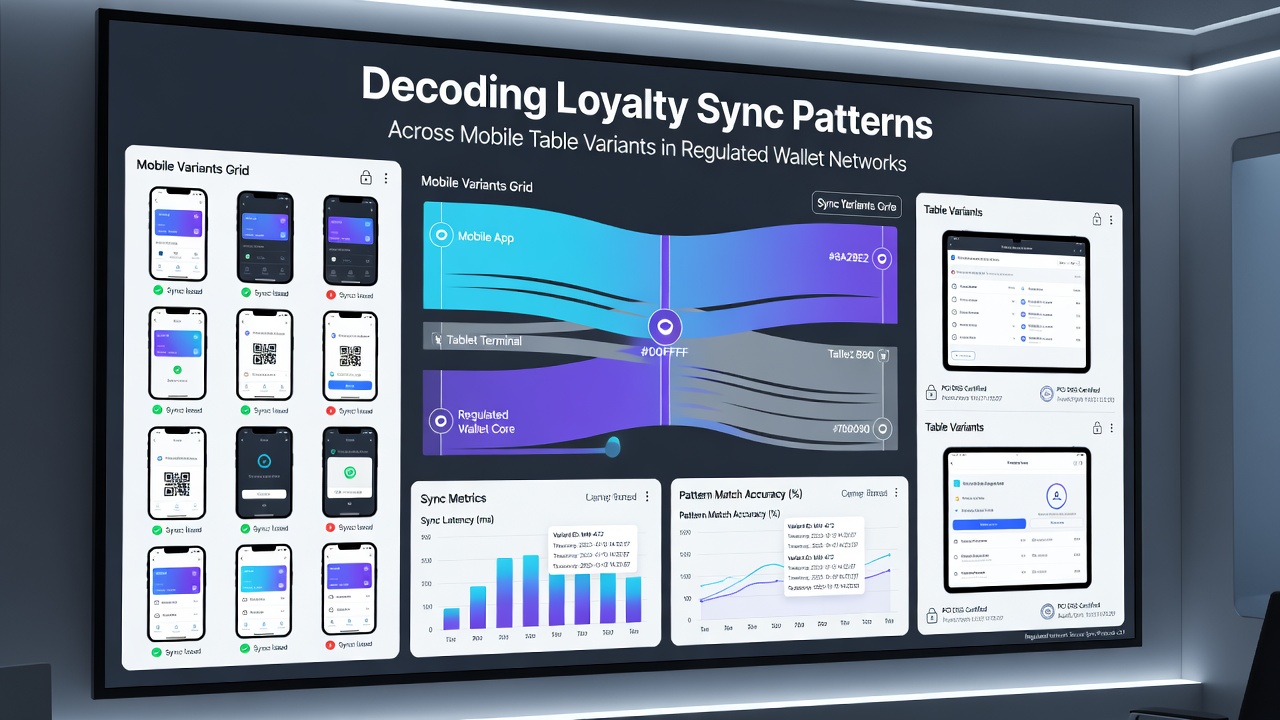
What's significant is the way these coefficients update dynamically when regulatory bodies release new guidelines. In November 2026, several Australian states introduced revised responsible-gaming thresholds that required wallet systems to cap point multipliers on certain table variants during extended play sessions. Operators adjusted their sync logic within days, demonstrating how the underlying architecture accommodates rapid policy shifts without disrupting player experience.
Security and Compliance Layers
Regulated environments mandate that every loyalty sync event carries cryptographic proof of origin, which wallet networks verify before committing changes to the player record. This verification step prevents unauthorized point inflation that could arise from compromised mobile clients. Evidence suggests that multi-factor authentication tied to the wallet itself further strengthens these controls, requiring biometric confirmation on the device before any table variant can transmit data.
One study revealed that European operators using similar frameworks reduced audit discrepancies by 37 percent after implementing wallet-centric loyalty logging. Those frameworks draw from guidelines published by the Malta Gaming Authority, which emphasize immutable audit trails that regulators can query directly from the wallet provider rather than from each individual game server.
Cross-Device Continuity
Players who move between phone and tablet encounter no interruption in loyalty tracking because the wallet maintains a single source of truth independent of the hardware. Synchronization protocols detect device switches through session tokens and resume point accrual from the exact moment the previous device went offline. Data shows that average session continuity rates reached 94 percent across major regulated markets by late 2026.
Yet challenges remain when table variants employ proprietary RNG seeds or unique bonus triggers. Developers address these by translating variant-specific events into generic loyalty descriptors that the wallet can process uniformly, preserving fairness while still allowing creative game design.
Conclusion
Wallet networks continue to refine loyalty synchronization across mobile table variants by combining real-time API exchanges, variant-specific multipliers, and regulatory-compliant audit mechanisms. Figures reveal consistent growth in transaction volumes through November 2026, with operators relying on these patterns to deliver uninterrupted player progression regardless of which table format a user selects. The architecture supports ongoing adaptation to new rules and device types while keeping data flows secure and verifiable.